
How to Choose the Right Eyebrow Shape for Your Face
Quick Answer
There is no single "right" eyebrow shape that works for everyone. Face shape is a useful starting point when choosing a brow shape, but it is not a fixed rule. As general guidance:
Round faces: a higher arch is often used to add length
Square faces: a soft, rounded arch is often preferred to soften angles
Heart-shaped faces: a soft arch is often used to balance a narrower jaw
Long faces: a flatter, straighter brow is often preferred to shorten the look
Diamond faces: a rounded brow is often used to soften prominent cheekbones
Oval faces: most shapes tend to work, since features are already balanced
These are common style guidelines, not fixed rules. Your natural brow shape and personal preference still matter.
Introduction
Put the same eyebrow shape on two different people, and it can look completely different. That has less to do with the eyebrows and more to do with the face underneath them.
Face shape changes how a brow shape reads. A high arch that looks sharp and lifted on one face can look harsh on another. A flat, straight brow that looks clean on one face can look heavy on another. Neither shape is wrong. They are just doing different jobs depending on the face they sit on.
Generic advice like "get an arched brow" or "keep it natural" only goes so far. What matters more is your specific face shape.
Most people never formally check their face shape against their brow shape. They shape based on habit, a photo they liked once, or whatever a previous appointment left them with, and never revisit the question.
This guide covers how to figure out your face shape, what shape is commonly recommended for each one, mistakes to watch for, and how professional shaping in Atlanta compares to doing it yourself.
How to Determine Your Face Shape
Pull your hair back and look at your bare face in a mirror, ideally under even lighting. Compare three measurements: the width of your forehead, the width of your cheekbones, and the width of your jaw. Also compare the overall length of your face to its width.
A few general patterns to look for:
Roughly as wide as it is long, with a rounded jaw: likely a round face
Forehead, cheekbones, and jaw all similar widths, with sharper angles: likely a square face
Forehead wider than the jaw, with a pointed chin: likely a heart-shaped face
Noticeably longer than it is wide: likely a long or oblong face
Cheekbones as the widest point, with a narrower forehead and chin: likely a diamond face
Fairly even proportions with a slightly narrower jaw than forehead: likely an oval face
Most people do not land perfectly in one category. It is common to fall somewhere between two. If you are unsure, take a straight-on photo in even lighting and compare your forehead, cheekbones, jaw, and overall face length.
Your natural brow growth matters too. Two people can have the same face shape but need different brow designs, since hair density and growth direction are not the same from person to person.
Eyebrow Shapes for Each Face Shape
These are commonly recommended starting points, not strict rules. Your natural brow shape and personal preference should still guide the final result.
Round faces. A higher, softly defined arch is often used to add length and structure, since a flatter brow can emphasize the roundness of the face.
Square faces. A softer, rounded arch is a common choice instead of a very sharp, high peak, since it balances the strong, angular lines of the jaw and forehead.
Heart-shaped faces. A soft, gently curved arch is often suggested to balance a wider forehead against a narrower jaw and chin.
Long or oblong faces. A flatter, straighter brow is commonly recommended, since a high arch can draw more attention to the length of the face. Some brow artists may also keep a little more fullness through the brow to create a wider visual balance.
Diamond faces. A rounded or gently curved brow is often suggested to soften the angles of prominent cheekbones.
Oval faces. Because the proportions are already fairly balanced, most brow shapes work reasonably well, though a soft angle is a common default choice.
How Brow Mapping Works
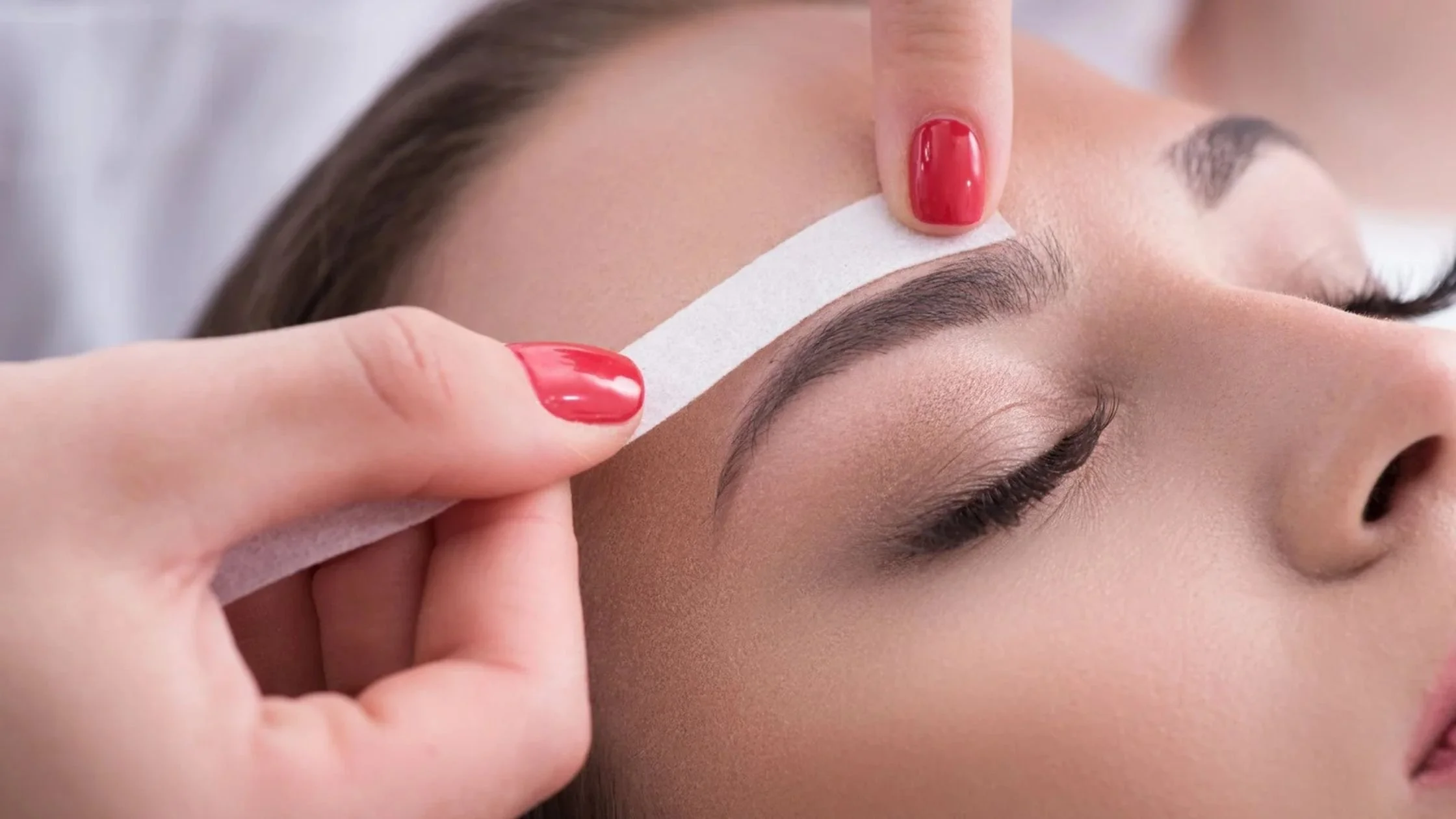
A common brow-mapping approach uses three reference points: the start, the arch, and the tail.
In one common mapping method, the brow begins near the inner eye area, the arch is aligned around the outer portion of the iris, and the tail finishes near the outer corner of the eye. This can help prevent the arch from being placed too far toward the tail.
The three points stay useful, but their placement and the amount of arch can be adjusted to suit the face. A round face might use a slightly sharper arch at that same point. A long face might flatten the arch while keeping the same start and end points. This is why a good mapping appointment involves looking at your actual face rather than applying the same three points the same way for everyone.
Common Shaping Mistakes Tied to Face Shape
A few mistakes come up often once face shape enters the picture.
Over-arching a long face is one of the most common ones. A dramatic, high arch can emphasize the vertical length of the face, which is why a flatter brow is often preferred instead.
Going too flat on a round face has the opposite effect. Without some arch, a round face can look like it has even less structure.
Making brows too thin, regardless of face shape, tends to look dated and can undercut the balance a specific shape is meant to create. A thin, sharply arched brow rarely does what a fuller, softer version of the same arch would do for the same face.
Copying a shape from a photo without accounting for your own face shape is another common one. A brow that works well on a heart-shaped face will not automatically look the same on a square one.
Shaping both brows to match a single reference photo exactly, rather than working with each brow's natural growth pattern, is a related mistake. Most people have some natural asymmetry, and forcing both sides into an identical shape can look less balanced than shaping each one to its own natural line.
Most of these mistakes share the same root cause: applying a shape without checking it against the actual face wearing it.
Professional Shaping Options in Atlanta
At Blink & Wink, eyebrow shaping is priced at $30, and eyebrow threading is also priced at $30, based on the studio's published pricing. Threading uses twisted cotton thread to remove individual hairs from the root, allowing for precise shaping. Waxing removes multiple hairs at once and can cover a larger area quickly.
Which method works best usually comes down to your skin sensitivity and how precise the shape needs to be. A consultation can help tailor the brow shape to your natural growth pattern, face shape, and preferred look, rather than applying a standard template. That typically means the technician looks at your natural brow line, marks reference points similar to the ones described above, and adjusts them to your specific face shape before removing any hair.
DIY vs. Professional Shaping: When to See a Pro
Light maintenance between appointments, like tweezing a few stray hairs, is reasonable to do at home once you know your basic shape.
Establishing that shape in the first place is a different task. A professional can see your face shape and brow growth pattern from angles you cannot easily judge in a mirror, and can correct asymmetry that is harder to fix once hair has already been removed.
For example, if you have a long face and have always tweezed a high arch, a professional can help reset the shape to something flatter. Once that baseline is established, maintaining it at home is much easier.
What to Tell Your Stylist
Walking into an appointment with a specific request usually gets a better result than saying "just clean them up."
Mentioning your face shape, if you know it, gives the stylist a starting point before they even look closely at your brows. If you do not know your face shape, describing what has bothered you about past shapes, such as an arch that felt too sharp or a brow that felt too thin, gives them something concrete to work from instead.
Bringing a reference photo can help, but it is worth saying out loud that you want the shape adapted to your face rather than copied exactly. A stylist who understands that distinction is more likely to adjust the reference to fit your proportions instead of forcing your brows into someone else's shape.
If you have had a shape you liked in the past, even years ago, mentioning that gives the stylist something more useful to work from than a photo of a stranger's brows. Your own history with your brows is information a reference photo cannot capture.
Conclusion
Face shape can be a useful starting point when choosing an eyebrow shape, but it should not be treated as a strict formula. Round faces tend to benefit from more arch, long faces from less, and heart-shaped and diamond faces from softer curves that balance sharper angles.
The most common mistakes happen when people copy a shape without checking whether it fits their own face, or go too far in one direction, like over-arching a long face or going too flat on a round one.
If you want a shape mapped to your specific face rather than guessing at home, Blink & Wink's eyebrow shaping and threading service in Atlanta starts with a consultation, or you can reach out here with questions first.
FAQ
Can I completely change my eyebrow shape?
To an extent. Shaping can adjust the arch, thickness, and overall line of your brows, but it works within the hair you naturally grow. A large change may need to happen gradually over a few sessions, especially if you are growing out an area that has been over-tweezed.
How often should I get my eyebrows reshaped?
Many people schedule a touch-up every few weeks as new hair grows in, but the timing depends on your own hair growth and how defined you want the shape to stay.
Does threading hurt more than waxing?
Both threading and waxing can cause some temporary discomfort, and how each feels depends on your own skin and sensitivity. If your skin reacts easily to products, ask your technician which method they would recommend for you.
What if my eyebrows are different shapes from each other?
Some asymmetry is normal, since very few people have perfectly matching brows naturally. A professional can usually work with the differences between your two brows and create a more balanced overall shape.
How much does eyebrow shaping cost at Blink & Wink?
Eyebrow shaping is priced at $30 per session, and eyebrow threading is also priced at $30.
Should I follow eyebrow trends or shape based on my face?
Trends change every few years. Using your natural features and personal preference as a starting point can give you a shape you are more likely to be comfortable with long term, rather than one built around whatever is popular right now.
Further Reading
Want tips for maintaining your shape between appointments? Read Perfect Your Brow Game: Shaping and Tinting Tips That Work for at-home shaping and tinting advice.
