
How Long Does Brow Lamination Last in Atlanta?
Quick Answer
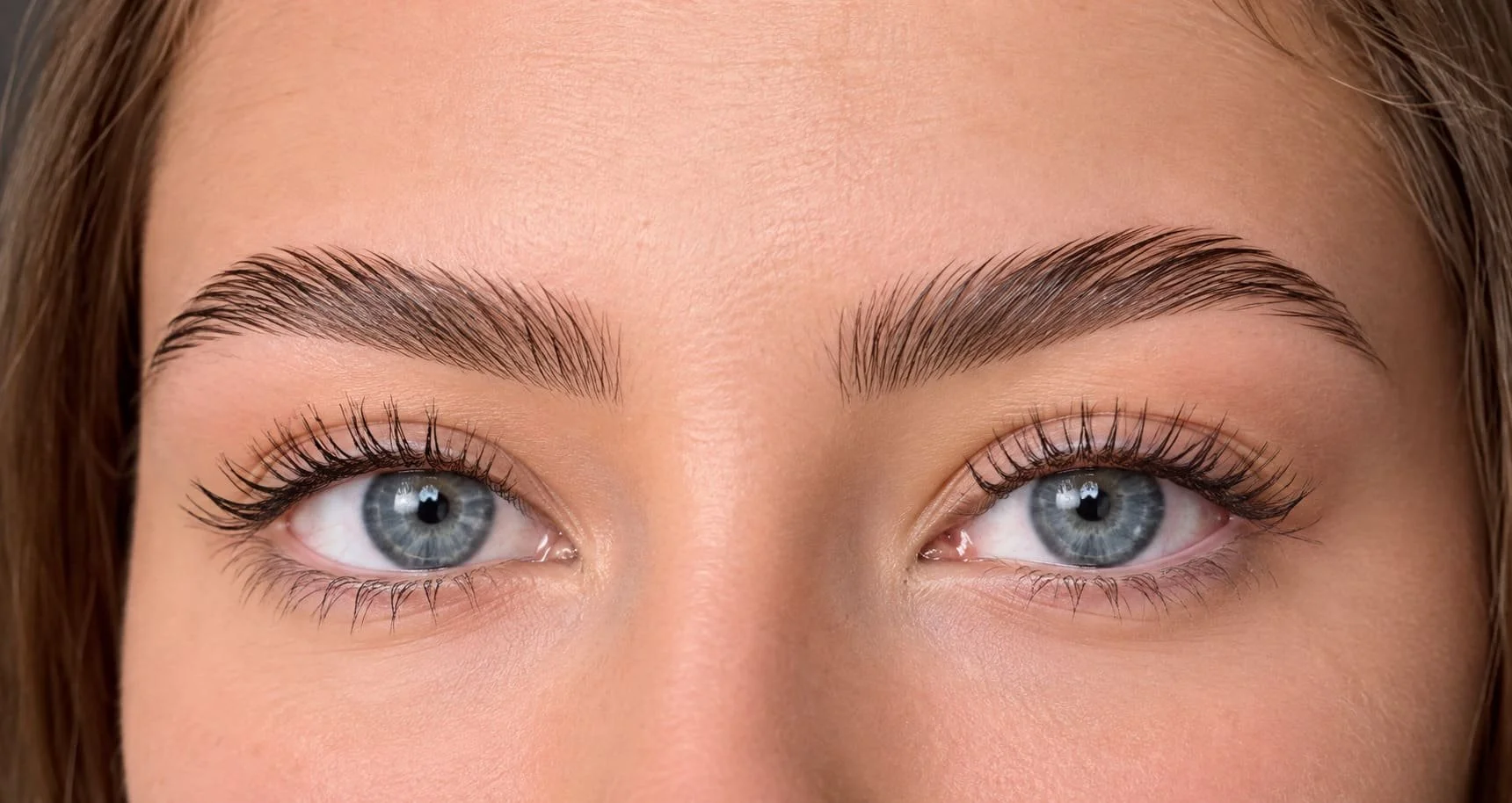
Brow lamination typically lasts 4 to 6 weeks, and up to 8 weeks with careful aftercare, before the hairs relax back into their natural pattern. How long it lasts for you depends on your hair growth cycle, how closely you follow aftercare instructions, and how often you have the treatment repeated. Here is how it compares to other brow treatments:
Brow tinting: up to 2 weeks
Henna brows: up to 4 weeks
Brow lamination: 4 to 6 weeks, up to 8 with proper care
Threading or shaping: 2 to 4 weeks (grows out at the natural hair cycle)
Microblading and powder brows: 1 to 3 years, since these involve pigment rather than hair styling
Introduction
Full, fluffy brows have moved from a passing trend to a standing beauty habit, and brow lamination is the treatment most people reach for when they want that look without a daily fight against unruly hairs. It works by softening the hair structure, brushing the brows into a new direction, and setting them there, which is why people sometimes call it a perm for your eyebrows.
The most common question is not whether it works. It is how long it actually lasts before you need to go back. That question matters more than it seems, because the answer changes how you plan your calendar, your budget, and your expectations. Someone getting laminated brows before a wedding needs a different timeline than someone doing it as a low-maintenance monthly routine.
The honest answer is that brow lamination does not last the same amount of time for everyone. Hair type, how fast your brows grow, the products you use afterward, and even how often you touch your face all play a role. A treatment that holds for eight weeks on one person might soften in four on another, and neither result means the treatment was done wrong.
Part of what is driving the treatment's staying power is convenience. Many Atlanta salons now pair brow lamination with a lash lift or brow tint in the same visit, cutting a full beauty routine down to a single appointment. That kind of combined, low-effort approach to grooming is likely to keep growing through the rest of the decade as more people look for ways to spend less time on daily makeup without giving up a polished look.
As more Atlanta salons refine their lamination technique heading into 2026 and beyond, the treatment keeps getting gentler on the hair while holding shape longer. This guide breaks down exactly what happens during the process, what realistically changes your results, how to care for laminated brows day by day, and who should think twice before booking.
What Is Brow Lamination and How Does the Process Work?
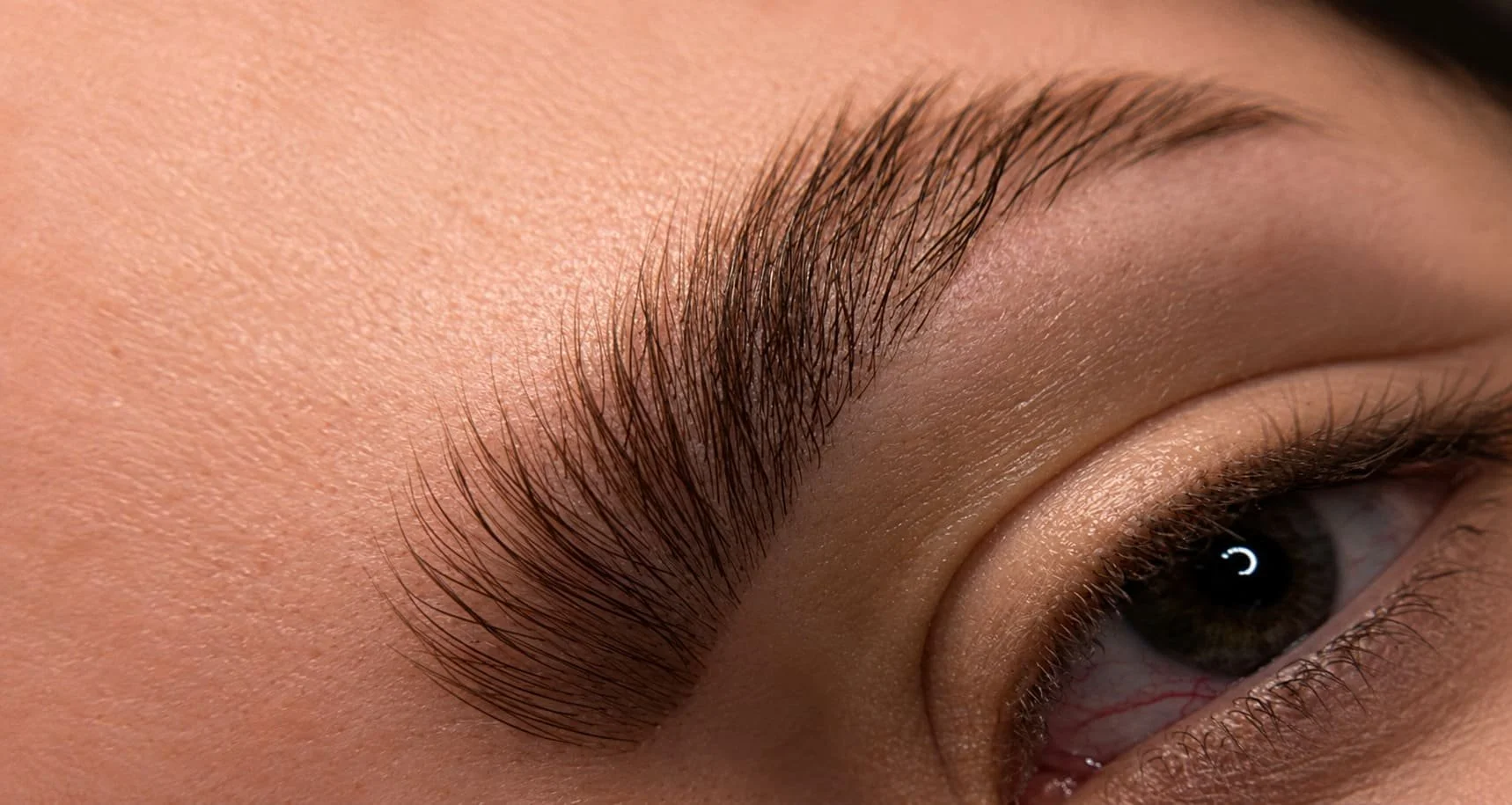
Brow lamination is a semi-permanent treatment that restructures the brow hair rather than adding pigment or ink. According to Healthline, the procedure does not involve needles or coloring, which is what separates it from treatments like microblading.
The Four Steps of the Treatment
A standard brow lamination session follows the same basic sequence almost everywhere it is offered:
A lifting cream is applied to soften the hair and loosen its natural direction.
The technician brushes the brow hairs upward and into the desired shape.
A neutralizing solution is applied to lock the hairs into that new position.
A nourishing oil is applied at the end to calm the skin and reduce dryness from the chemical process.
The full appointment usually takes about an hour or less, according to Healthline, and many salons combine it with tweezing, waxing, or tinting as an add-on rather than a separate visit.
What to Expect During the Consultation
A good technician will not skip the consultation. Brow shape depends on your bone structure and natural hair growth pattern, so a rushed lamination often results in an unnatural or uneven arch. Salons that map the brow against the face before starting the chemical process tend to produce results that look intentional rather than generic.
Who Benefits Most from Brow Lamination
Brow lamination tends to solve a specific set of brow concerns rather than working as a fix for everything. According to Healthline, it is most often chosen by people dealing with thinning brow hair that can come with age, gaps left behind from years of overplucking or overwaxing, brow hairs that grow in different directions no matter how much they are brushed, or brows that simply lack shape and evenness. If any of that sounds familiar, lamination is designed to smooth and reposition the hair you already have rather than adding anything artificial to it.
It is not the right tool if your main concern is bald patches with very little hair to work with in the first place, since lamination can only shape hair that exists. In that case, a pigment based option like microblading or powder brows fills in the gaps rather than styling around them.
How Long Does It Actually Last, and What Changes It
The 4 to 8 week window is not a fixed number. A few specific factors push results toward the shorter or longer end of that range.
Your natural hair growth cycle. Brow hair, like scalp hair, grows in cycles. As new, unlaminated hairs come in, the overall look softens even if the originally treated hairs are still holding their shape. This is different from damage or a treatment gone wrong. It is simply new hair growing in on its own schedule ahead of the next lamination session.
How you sleep and touch your face. Brows that get pressed into a pillow every night or get rubbed during skincare application tend to lose their lifted shape faster than brows left alone.
How closely you follow aftercare. Water, steam, and oil-based products interfere with the setting process in the first two days after treatment. Skipping this window is one of the most common reasons lamination fades early.
How often you repeat the service. Healthline notes that repeating brow lamination too often, or sooner than every six weeks, raises the risk of dryness and damage similar to what happens with repeated hair perming. Spacing appointments out actually protects the results, not just the brow health.
Skin and hair type. Finer, straighter brow hair tends to hold the lifted shape longer than coarse or very curly hair, which naturally tries to revert faster.
You will usually notice lamination fading before it disappears completely. The most common early sign is a few stray hairs near the inner corner or the tail of the brow starting to point back in their natural direction while the rest of the brow still holds its shape. That is a normal, gradual process rather than a sign that anything went wrong, and it is a reasonable cue to start thinking about rebooking.
Brow Lamination Aftercare, Day by Day
Aftercare is where most of the "why did mine only last three weeks" complaints actually get answered. The first 48 hours matter most.
First 24 to 48 Hours
Keep the brows completely dry. That means no steam rooms, no swimming, and being careful during face washing or showering. Moisture during this window can undo the setting process before it fully locks in.
The First Week
Avoid oil-based skincare and heavy makeup directly on the brow area, since oils can loosen the bonds that were just set. A clean spoolie brush used once a day helps keep the hairs trained in the right direction while they settle.
Ongoing Maintenance
After the first week, a light, non-oily brow conditioning product can help prevent the hair from drying out, since the chemical process does leave the hair slightly more porous than usual. Gentle brushing, rather than aggressive grooming, keeps the shape intact for the full 4 to 8 week window.
How to Make Brow Lamination Last Longer
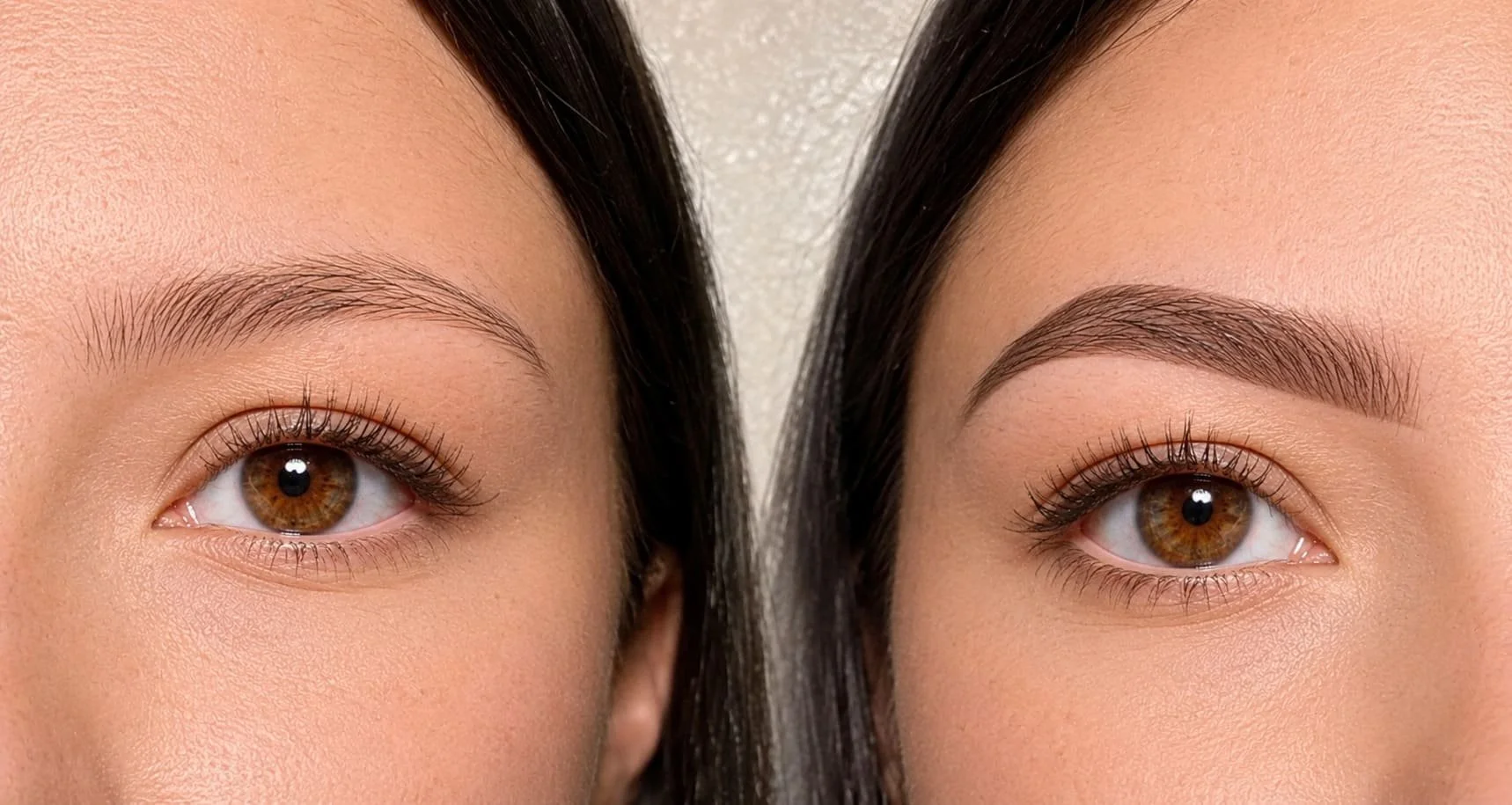
A few consistent habits can stretch your results toward the 8 week end of the range instead of the 4 week end.
Brush, do not rub. Use a clean spoolie once a day to guide the hairs back into place if they shift slightly overnight. Rubbing or pulling at the brow area speeds up how quickly the shape relaxes.
Keep oil-based products away from fresh lamination. Cleansers, makeup removers, and heavy moisturizers with oil can loosen the set in the first week. A gentle, oil-free cleanser near the brow area is a safer choice until the treatment has fully settled.
Protect your face while you sleep. Sleeping face down or with brows pressed into a pillow adds friction that laminated brows do not need. A silk or satin pillowcase reduces that friction for both brows and skin.
Watch sun and pool exposure. Chlorine, salt water, and prolonged sun exposure can dry out brow hair that is already more porous right after a chemical treatment. A light SPF around the brow area protects both the skin and the result.
Space out your reapplications. As covered above, going shorter than 6 weeks between sessions raises the risk of dryness rather than improving results. Booking your next appointment near the 6 to 8 week mark, based on how your last treatment held up, tends to give the most consistent outcome over time.
Who Should Avoid Brow Lamination
Brow lamination is considered non-invasive, but it is still a chemical process, and it is not the right fit for everyone. Healthline lists sensitive skin, rosacea, eczema, and a history of contact dermatitis as reasons a provider may advise against it, since the chemicals used can trigger irritation in reactive skin.
Reported side effects include swelling, redness, peeling, itching, and bumps around the brow and eyelid area. These are generally described as mild and temporary, but a patch test or a conversation with your provider ahead of time is a reasonable precaution if you have a history of skin sensitivity. A more serious but rare risk is eye damage if the chemical solution makes contact with the eye during the procedure, which is why an experienced technician and proper eye protection during the service matter.
If you are unsure whether your skin type is a good candidate, a consultation before booking is the safest way to find out rather than guessing.
Brow Lamination vs. Other Atlanta Brow Treatments
Atlanta has no shortage of brow options, and lamination is often confused with tinting, threading, or longer-term treatments like microblading. The easiest way to think about it: lamination changes the direction and shape of the hair you already have, while tinting only changes color, and microblading adds pigment that lasts far longer because it does not rely on your natural hair holding a shape.
At Blink & Wink in Buckhead, brow lamination is priced at $100 per session, based on the salon's published pricing, and is typically paired with a personalized consultation that maps the brow shape to the client's bone structure before any chemical is applied. The studio's own guidance matches the general aftercare window covered above: avoiding steam, swimming, oil-based products, and heavy makeup on the brow area for the first 24 to 48 hours.
If you are still deciding between lamination, microblading, and powder brows rather than lamination specifically, the salon's own comparison guide, Microblading, Powder Brows, or Lamination: Which Is Best?, breaks down the differences in cost, pain level, and longevity in more depth than a single article on lamination alone reasonably can.
If your main goal is trying a fuller brow look before committing to something longer term, lamination is the lower risk way to test it. Microblading and powder brows involve pigment that lasts well over a year, so they suit people who already know the shape and fullness they want. Lamination lets you change your mind again in a matter of weeks.
Pros and Cons of Brow Lamination
Pros
No needles, ink, or skin penetration involved
Appointment takes about an hour, with visible results the same day
Works well for thinning, sparse, or unruly brows without a long-term commitment
More affordable per session than microblading or powder brows
Cons
Results are temporary and require repeat sessions every 4 to 8 weeks
Not recommended for people with rosacea, eczema, or reactive skin
Requires disciplined aftercare in the first 48 hours to get the full duration
Can look uneven if the technician skips the consultation and shape-mapping step
Conclusion
Brow lamination earns its popularity because it solves a specific, common problem: unruly or sparse brows that need daily styling. The tradeoff is that it is temporary by design, typically holding for 4 to 6 weeks and up to 8 with proper care, rather than the months or years you get from pigment-based treatments. Knowing that upfront, and following the 48 hour aftercare window closely, is what separates a laminated brow that fades in three weeks from one that holds the full eight.
If you are ready to see how it looks on your own brow shape, Blink & Wink's brow lamination service in Buckhead starts with a consultation so the shape is mapped to your face before anything else happens. You can book an appointment here.
FAQ
Does brow lamination hurt?
No needles or ink are involved, so most people describe it as a mild tingling sensation at most rather than pain, similar to a gentle chemical process rather than a piercing one.
How soon can I get my brows wet after brow lamination?
Plan on keeping the brow area completely dry for the first 24 to 48 hours. This includes avoiding steam rooms, swimming, and direct water contact while showering.
Can I combine brow lamination with tinting?
Yes. Lamination and tinting are commonly booked together in the same appointment, since one shapes the hair and the other adds color, and combining them does not extend the aftercare window beyond the standard 48 hours.
Is brow lamination bad for your eyebrows in the long run?
It can cause dryness or damage if repeated too often, particularly sooner than every six weeks, according to Healthline. Spacing sessions out and using a nourishing brow oil afterward reduces this risk significantly.
How much does brow lamination cost in Atlanta?
Pricing varies by salon. Blink & Wink charges $100 per session for brow lamination, which sits within the general national range reported by Healthline of $50 to $100 per session for the treatment.
How long should I wait between brow lamination appointments?
Most providers recommend waiting at least 6 weeks between sessions, both to let your natural hair growth cycle catch up and to avoid the dryness and damage risk that comes with over-processing the hair.
Further Reading
Still deciding between brow treatments? Read Microblading, Powder Brows, or Lamination: Which Is Best? for a full side-by-side comparison of cost, pain level, and how long each option lasts.
